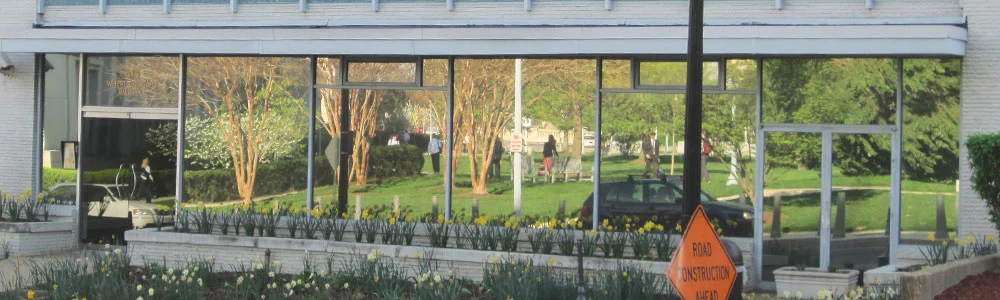
Each year up to 1 billion birds die after hitting glass surfaces in the United States. Why do birds hit windows? Birds collisions occur for two primary reasons:
They perceive glass reflections of vegetation, landscapes, or sky to be real.
They attempt to reach habitat, open spaces, or other attractive features visible through either glass surfaces or free-standing glass.
Can Birds See Glass?
There are many questions about birds’ relationship with glass and windows. Several of the most common are:
Can birds see glass?
Can birds see glass windows?
Can birds see through glass?
Despite claims that humans — unlike birds — can see glass, the truth is that glass presents problems to both people and birds.
When we bump into unmarked doors and windows, minor bruises and embarrassment are the typical results. For birds, however, the impact can result in instant death or serious, often fatal, injuries. Why? Birds tend to collide with glass at high speeds and their small bodies, composed of hollow bones, leave them particularly vulnerable to injury.
Even though people cannot see glass, from a young age we are able to grasp the concept of glass as a solid, transparent material. Detecting and avoiding glass then becomes an exercise in learning the cues that signal its presence, including window frames, door handles, and our location relative to building features.
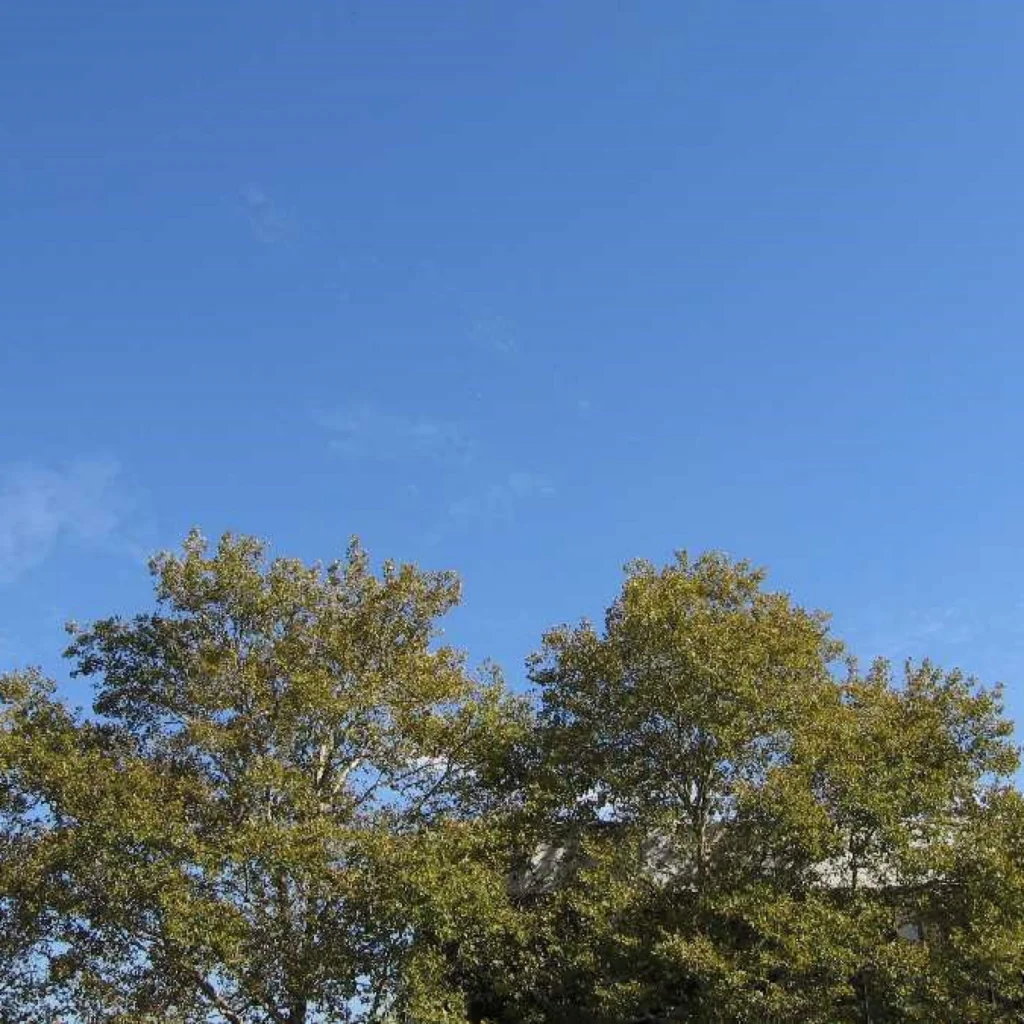
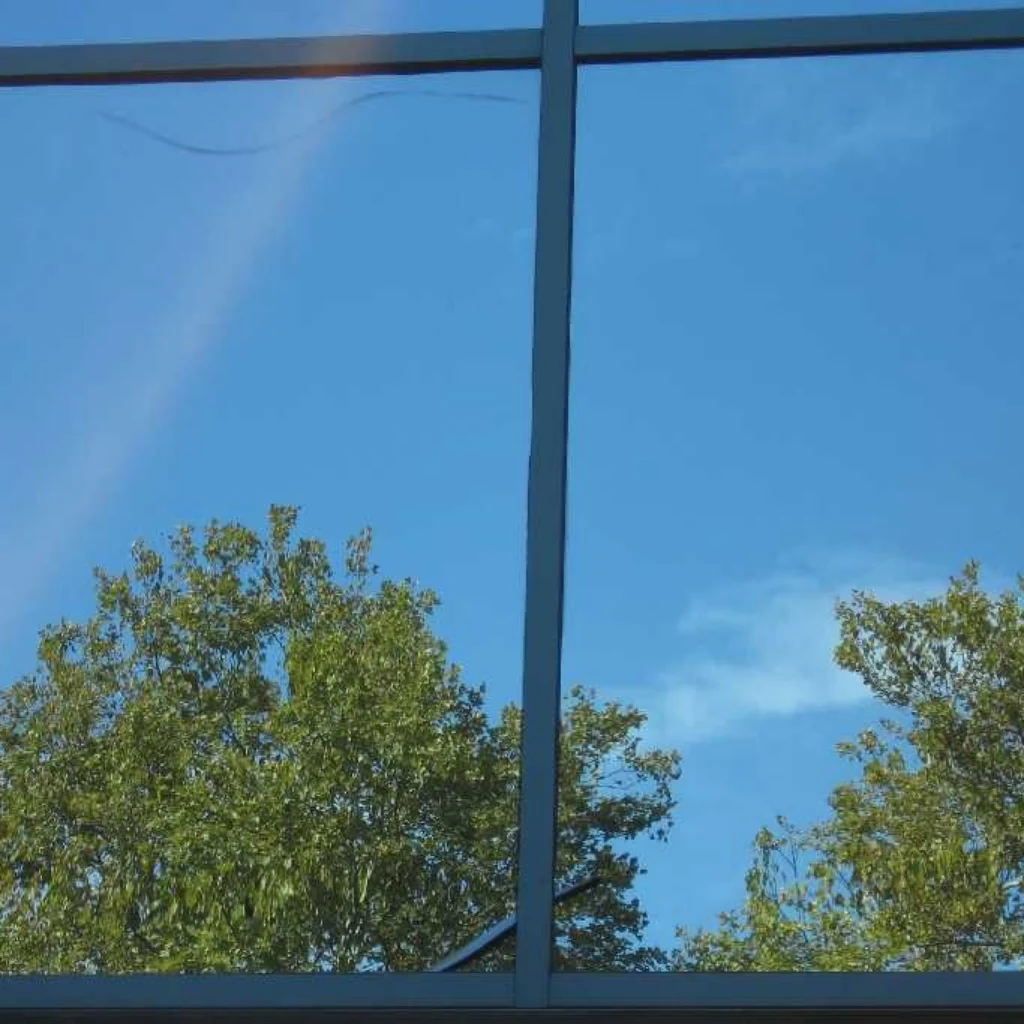
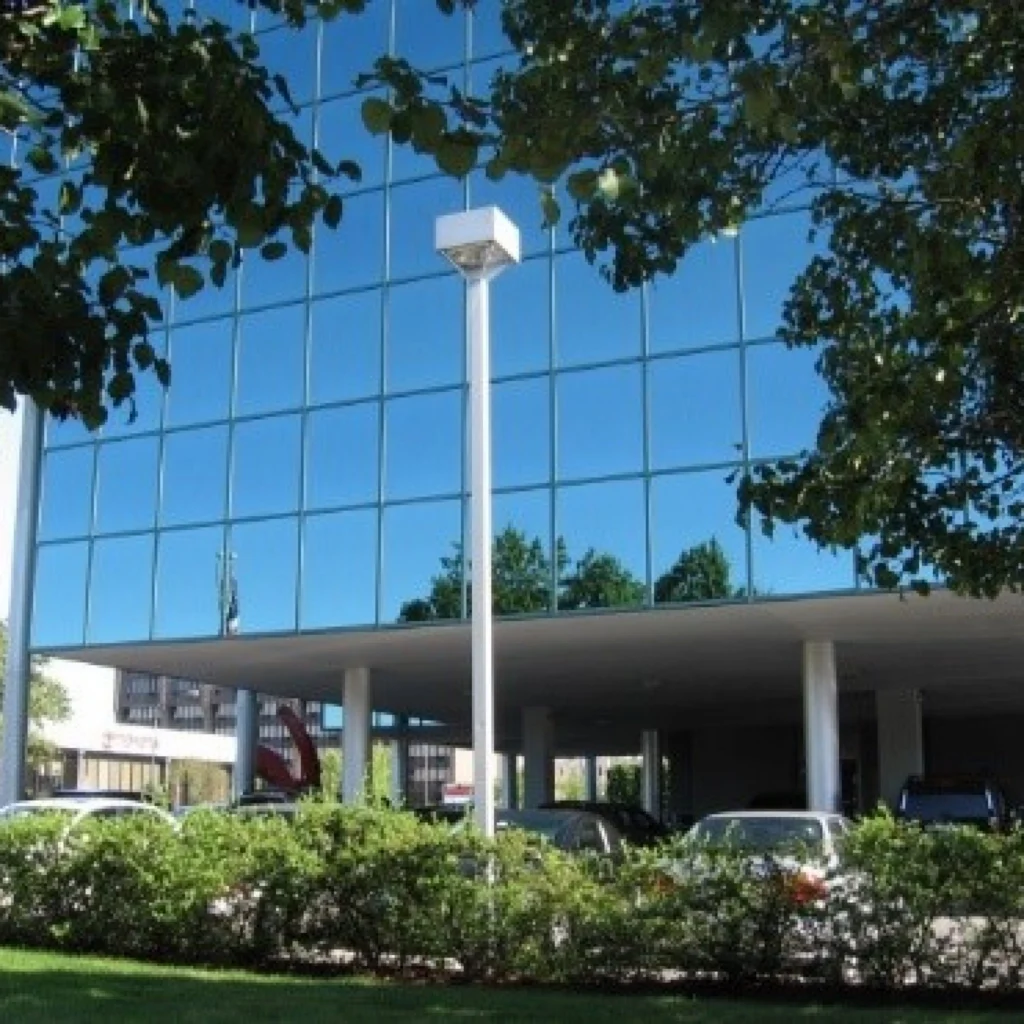
Figure 1: With no cues, you can’t tell if this is a photo of a tree, a tree seen through a window, or a reflection. Photos by Christine Sheppard.Figure 2: The mullions and crack are cues that this must be glass.Figure 3: More cues allow you to tell that this is a reflection in glass.
So why can’t birds see glass? The reason is that they do not learn the same visual cues as humans. As a result, glass is undetectable for them. Birds may learn about individual pieces of glass in an area where they live, through repeated interactions — if they survive the initial collision — but they remain unable to generalize from the experience and remain susceptible to collisions with other structures.
Collisions Happen Year-Round
Collisions in the U.S. are most frequent during spring and fall migration, as enormous numbers of birds move between northern breeding grounds and southern wintering grounds. The largest number of collisions occur during the fall, when migrants include both adult birds and their offspring.
However, because birds can’t see glass, dangers exist for birds year-round, especially glass near bird feeders and bird baths. Resident birds, particularly juveniles, tend to collide more often with glass in summer as they explore local environments. Collisions also happen all winter long.
Every Building Is a Potential Collision Threat
When people first learn about glass collisions, many assume that brightly lit skyscrapers at night pose a special threat. However, most collisions take place during the day, and almost half occur at home windows; low-rise buildings account for almost all of the rest. Because of their relative rarity, buildings over 11 stories cause only 0.1 percent of all building collisions in the United States. However, tall buildings — especially their lower floors — can still cause a lot of collisions, so making a significant reduction in collisions means working to reduce collisions at all buildings.
Does Light Pollution Cause Collisions?
Scientists are still investigating the influences of light and other electromagnetic radiation on the behavior of migrating birds, but some patterns have emerged.
Artificial lights at night do influence collisions. Many species migrate at night, and lighting draws them to developed areas. This happens in large cities but also in areas with much less pervasive lighting, like highways, parking lots, and suburban malls.
Because light attracts migrating birds, they often stop to rest in developed areas during their journeys. This means that when these birds forage the next day, they are more likely to encounter, and collide with, glass. Turning lights off overnight, or at least before birds descend in the early morning, can reduce the number of birds near buildings and therefore reduce collisions.
Find Products that Prevent Collisions
View our database to find solutions to fix existing windows or for new builds.
Birds see the world differently than we do — it’s part of what makes them extraordinary flyers and navigators capable of migrating thousands of miles in the dark. But they aren’t equipped to handle the maze of reflective windows in multi-story buildings in our cities. Nor can they see the crys...
Find American Bird Conservancy’s recommendations for preventing birds from colliding with glass windows on existing buildings and how to advocate for retrofits.
Glass collisions kill vast numbers of birds in the United States each year. Yet most Americans know little about this danger, and even fewer are aware of the solutions available to help prevent these deaths — fixes that in many cases are easy and inexpensive.
Find American Bird Conservancy’s recommendations for preventing birds from colliding with glass windows at home, including DIY approaches and a variety of products for different price ranges.