Budgets, Bills, and Birds
What do the Long-billed Curlew, Canada Warbler, and ‘Akeke‘e have in common? They all benefit from funds coming from the U.S. federal budgeting process.
Sialia currucoides
Awaxaawisshéennakaake (Apsaalooke/Crow)
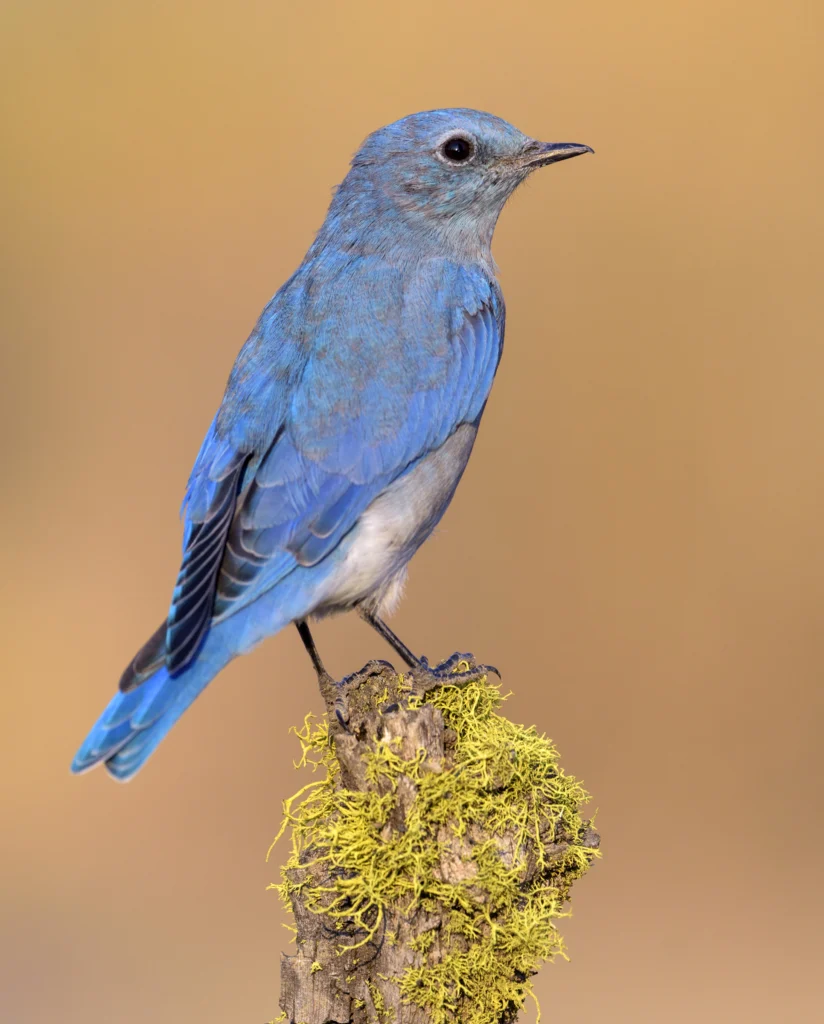
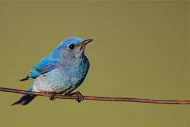
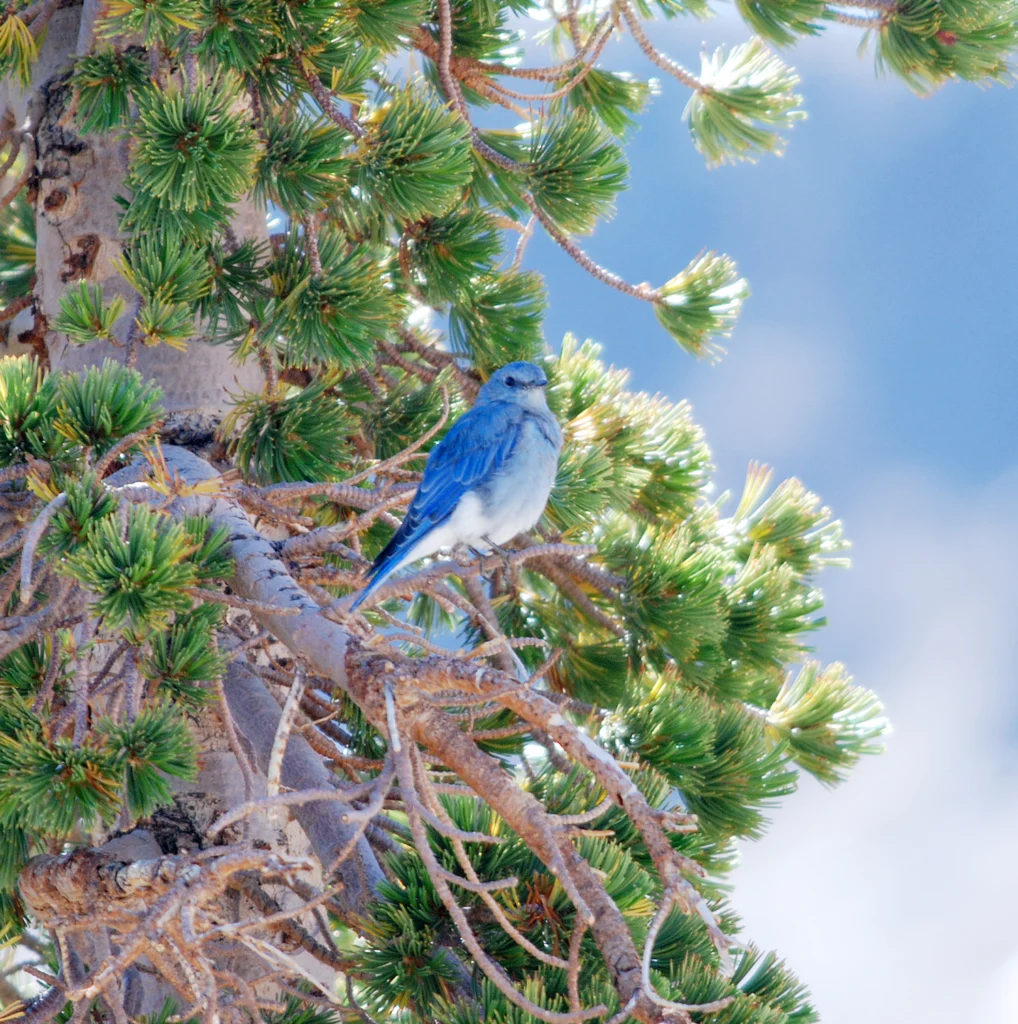
The Mountain Bluebird was once called the Arctic or Ultramarine Blue-Bird — names that recognize its northerly range and the male’s vivid sky-blue plumage. This small thrush, about two-thirds the size of an American Robin, is the state bird of Idaho and Nevada. Although closely related to Eastern and Western Bluebirds, the Mountain Bluebird’s habits often resemble those of very different bird species.
This is the bluest of bluebirds — and the most migratory. The northernmost Mountain Bluebirds of Alaska migrate south, while resident populations move to lower elevations each winter. Mountain Bluebirds usually migrate in groups of up to 50 birds, and frequently form mixed flocks during the winter with Western Bluebirds, sparrows, and juncos. Although there are no recognized subspecies, where ranges overlap, Mountain Bluebirds may hybridize with Eastern or Western Bluebirds.
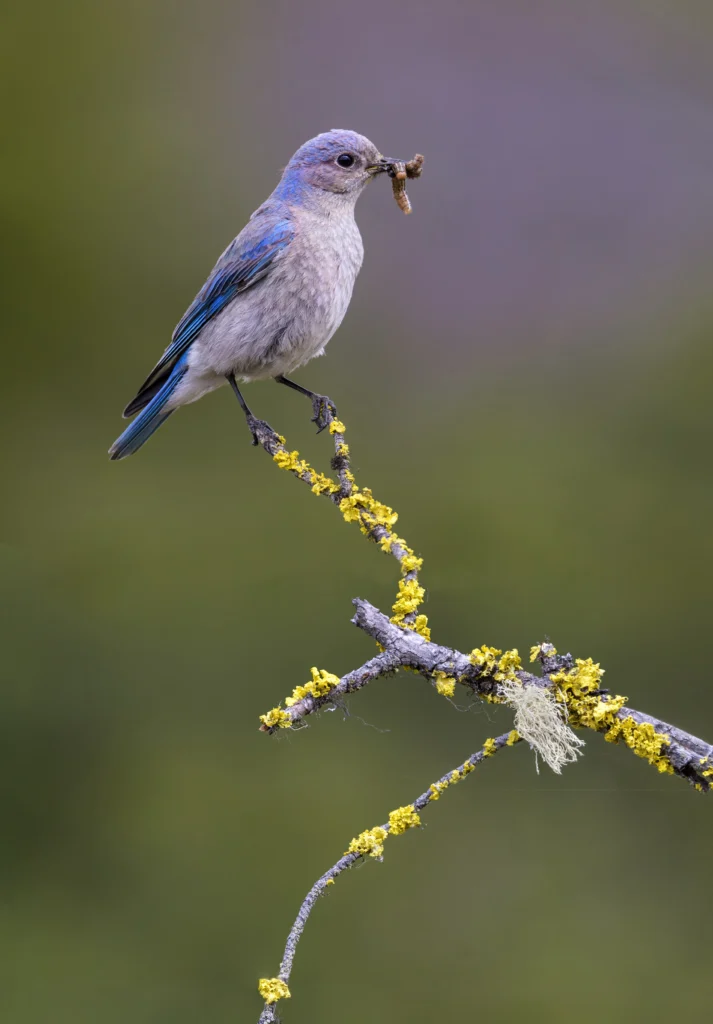
This bluebird’s diet includes more insects and less fruit than most thrushes, and its feeding behavior is very un-thrush-like. This bird does not walk or hop along the ground, looking under leaf litter like an American Robin or Wood Thrush. Instead, Mountain Bluebirds hover low over the ground and pounce, like a small Rough-legged Hawk, or dart out from a perch to snatch prey like a Western Kingbird.
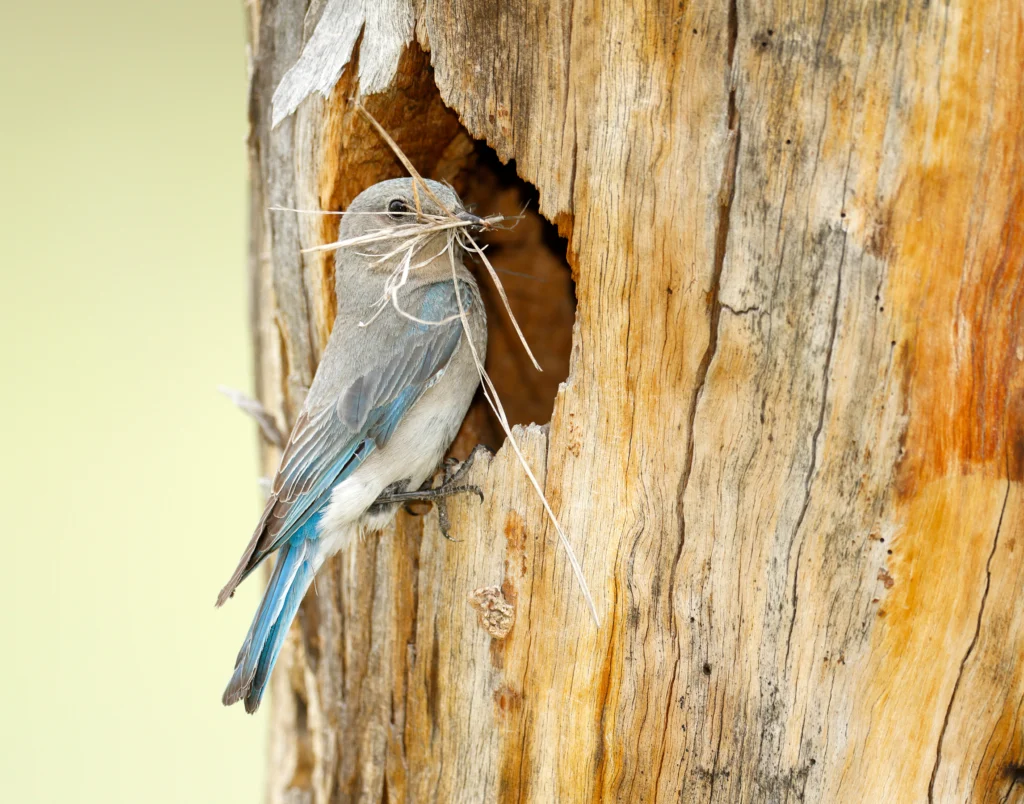
Mountain Bluebirds, like the Black-crested Titmouse and Puerto Rican Owl, are secondary cavity nesters, making use of natural hollows, old woodpecker nest cavities, or holes in sandstone cliffs and clay banks. They also readily accept nest boxes and have benefited from bluebird nest box programs designed to boost populations where the species is declining.
Mountain Bluebird populations have varied widely in association with changing landscape uses. The expansion of colonial ranching and logging operations in the West created more open habitat, a boon to this species, but this began to disappear with fire suppression and declines in logging and ranching. While the Mountain Bluebird is considered to be safe overall, its population is in decline.
As cavity-nesters, Mountain Bluebirds are particularly affected by the millions of PVC pipes used as mine claim markers throughout the West. Bluebirds and other species, ranging from sparrows to screech-owls, investigate these and other vertical pipes as potential nest sites, become trapped inside, and, unable to escape, starve or die of dehydration. Tens of thousands of birds have died trapped in these pipes across the West, and Mountain Bluebirds are one of the most common.
Eastern Bluebirds are common in agricultural areas, which provide them with their ideal foraging habitat, as well as convenient perches in the form of fences, from which they fly to the ground to capture their insect prey. However, insects are often poisoned with pesticides, which Eastern Bluebirds end up consuming and feeding to their young.
Birds need our help to overcome the threats they face. At ABC, we’re inspired by the wonder of birds and driven by our responsibility to find solutions to meet their greatest challenges. We work to protect the Mountain Bluebird and other species from the effects of pesticides, while at the same time improving habitat and petitioning for changes to make landscapes safer for birds.
Habitat is foundational for any species’ survival, and unintentional traps, like open standing pipes for cavity nesters, are serious hazards. ABC has led the charge to end this threat, petitioning the Bureau of Land Management and the USDA Forest Service to remove or modify existing pipes, often left as part of mining operations, and establish standards to prevent the use of open pipes in the future.
ABC works with partners at the state and federal levels in the U.S. to call for the regulation or cancellation of the pesticides and toxins most harmful to birds. We develop innovative programs, like working directly with farmers to use neonicotinoid coating-free seeds, advancing research into pesticides’ toll on birds, and encouraging millions to pass on using harmful pesticides.
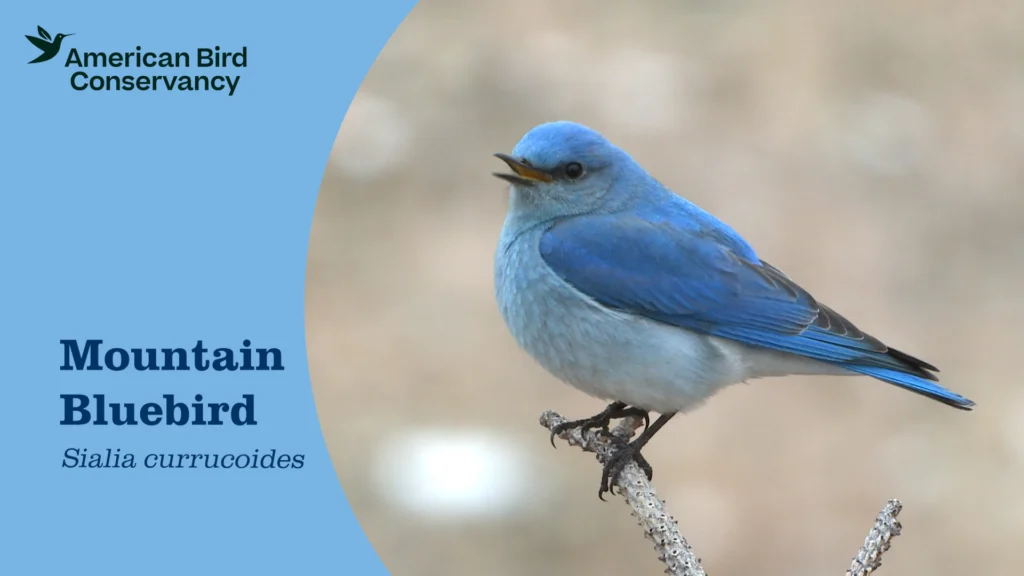
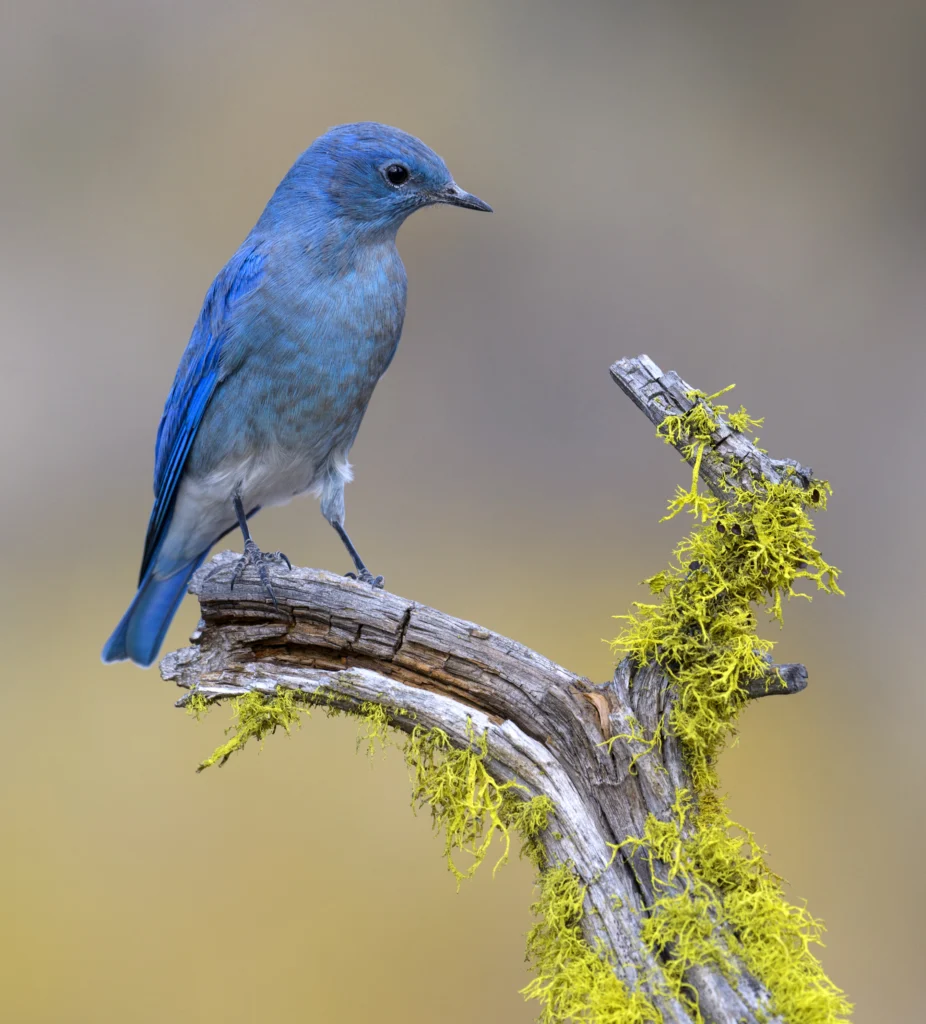
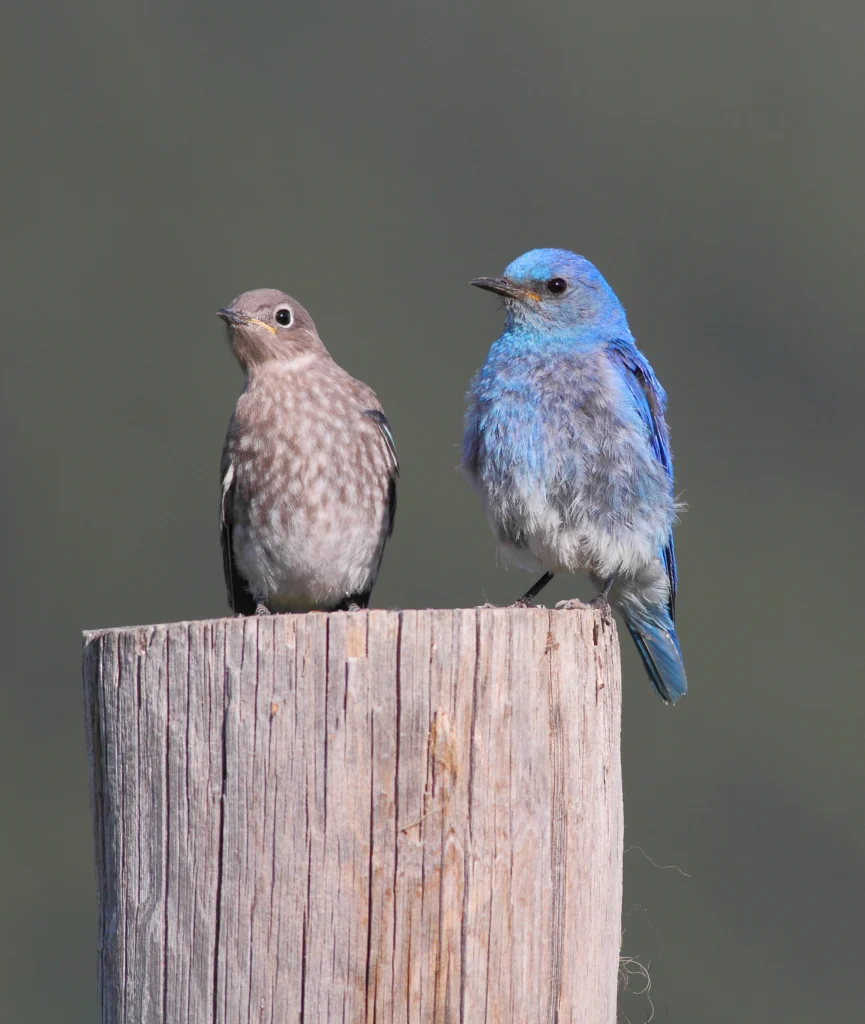
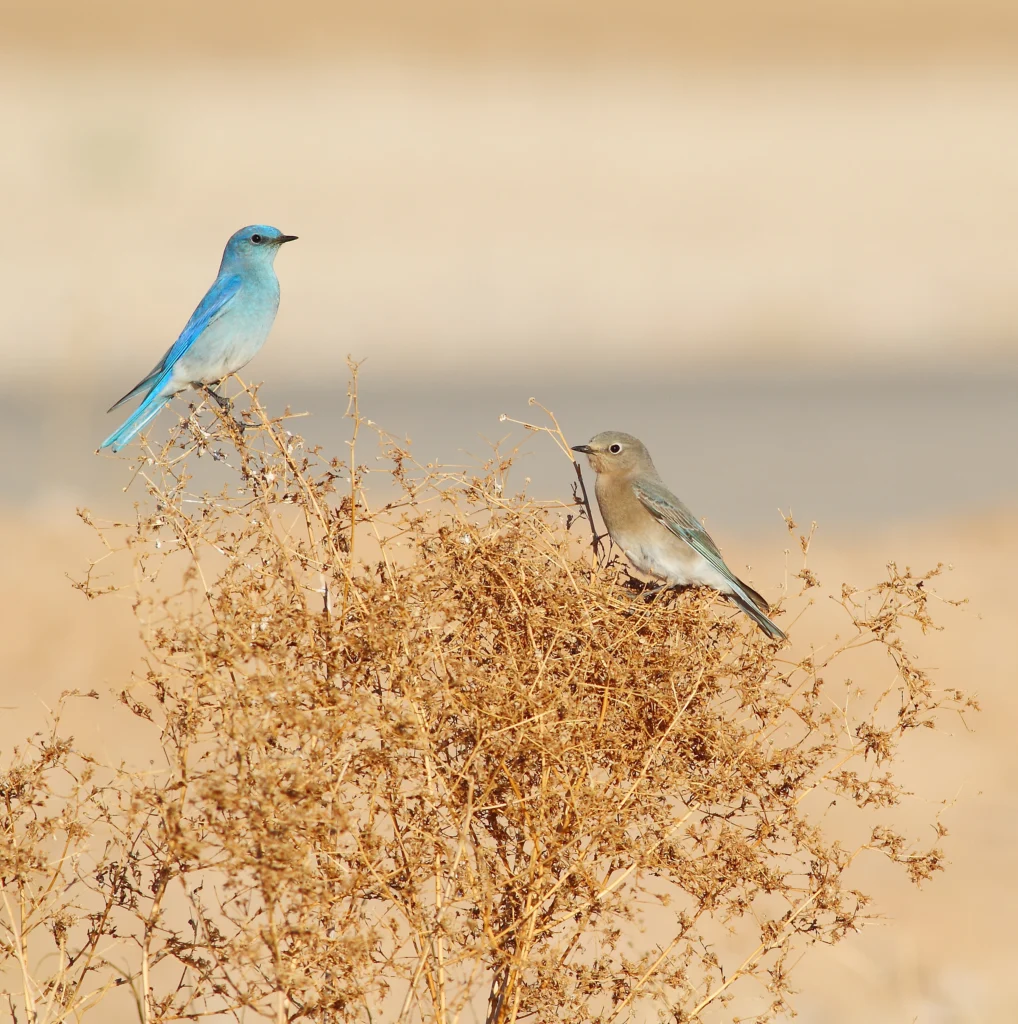
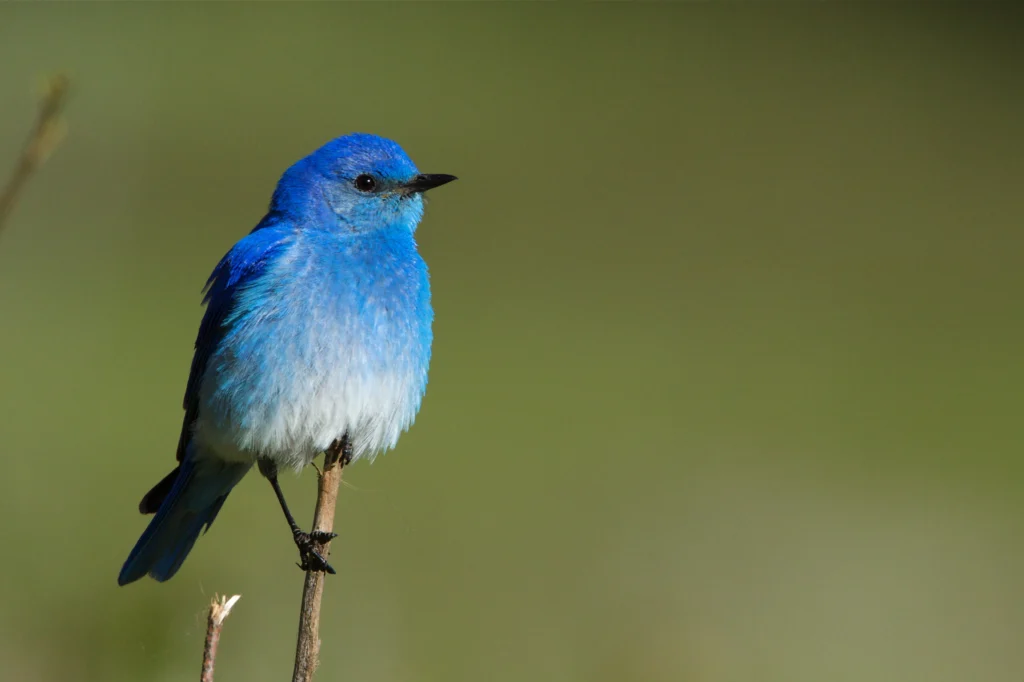
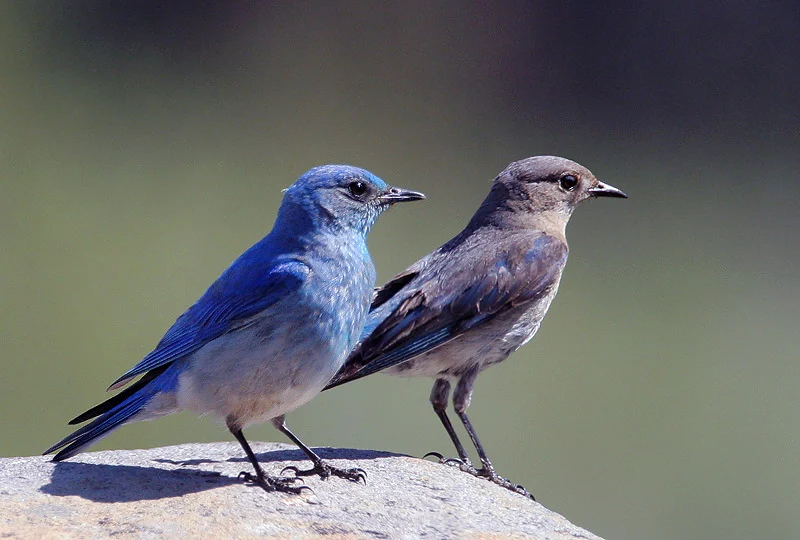
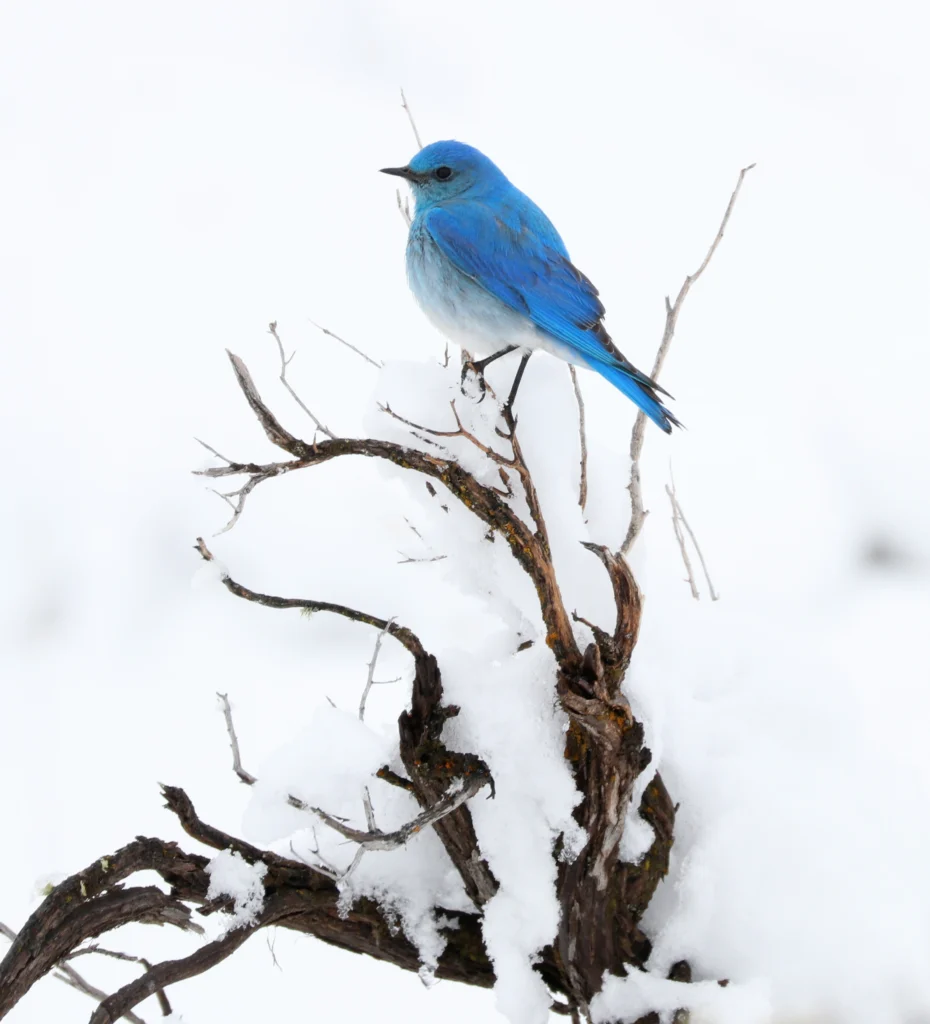
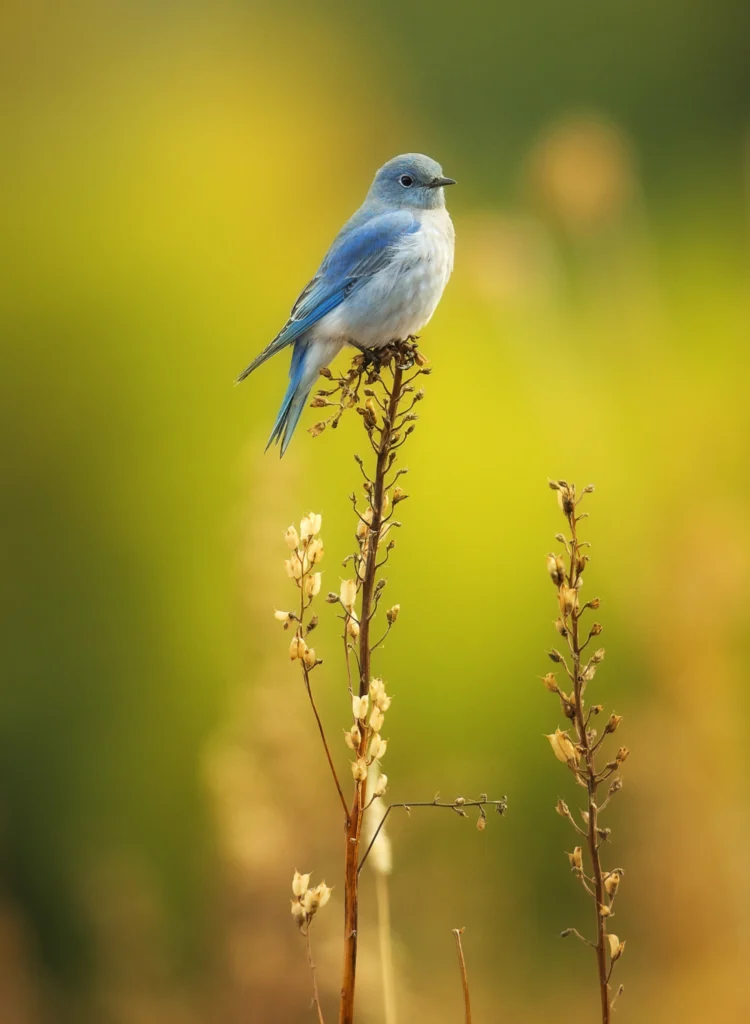
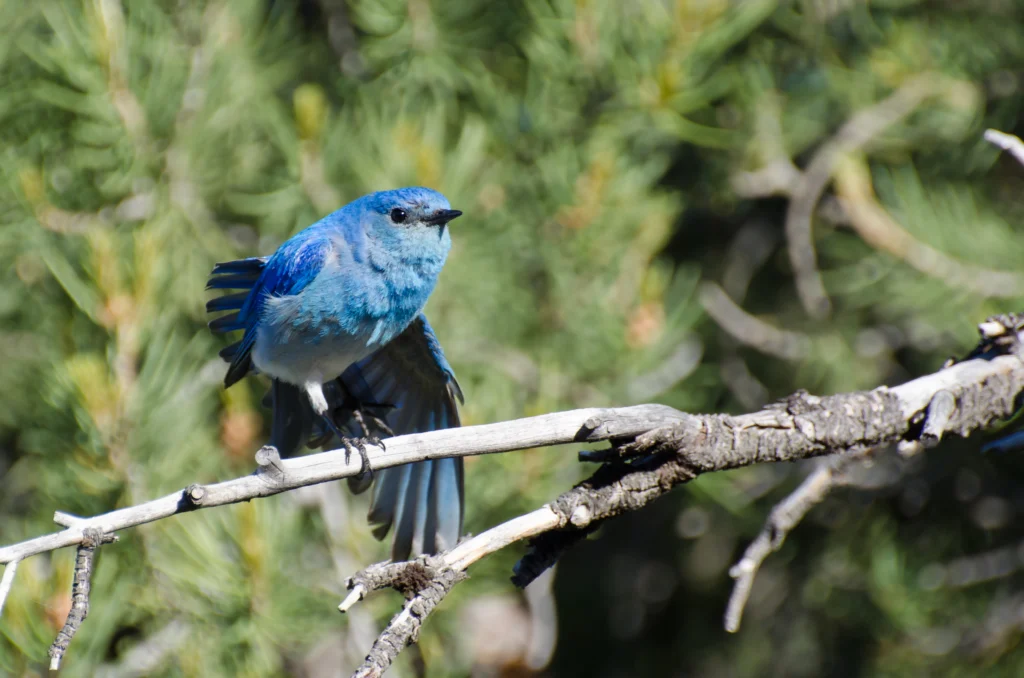
The song of the Mountain Bluebird is a series of short, gentle chirruping phrases, similar to the song of the American Robin, albeit somewhat simpler. Mountain Bluebirds also give several calls, including a gentle, descending tew note, given singly or in series.
Credit: Andrew Spencer, XC100904. Accessible at https://xeno-canto.org/100904.
Credit: Andrew Spencer, XC14083. Accessible at https://xeno-canto.org/14083.
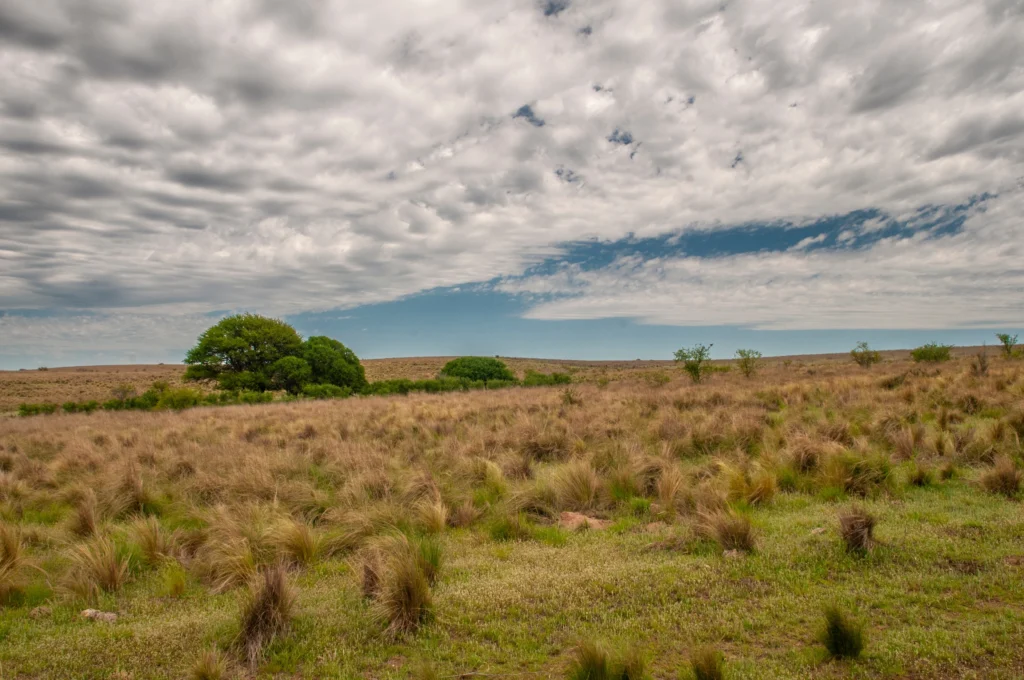
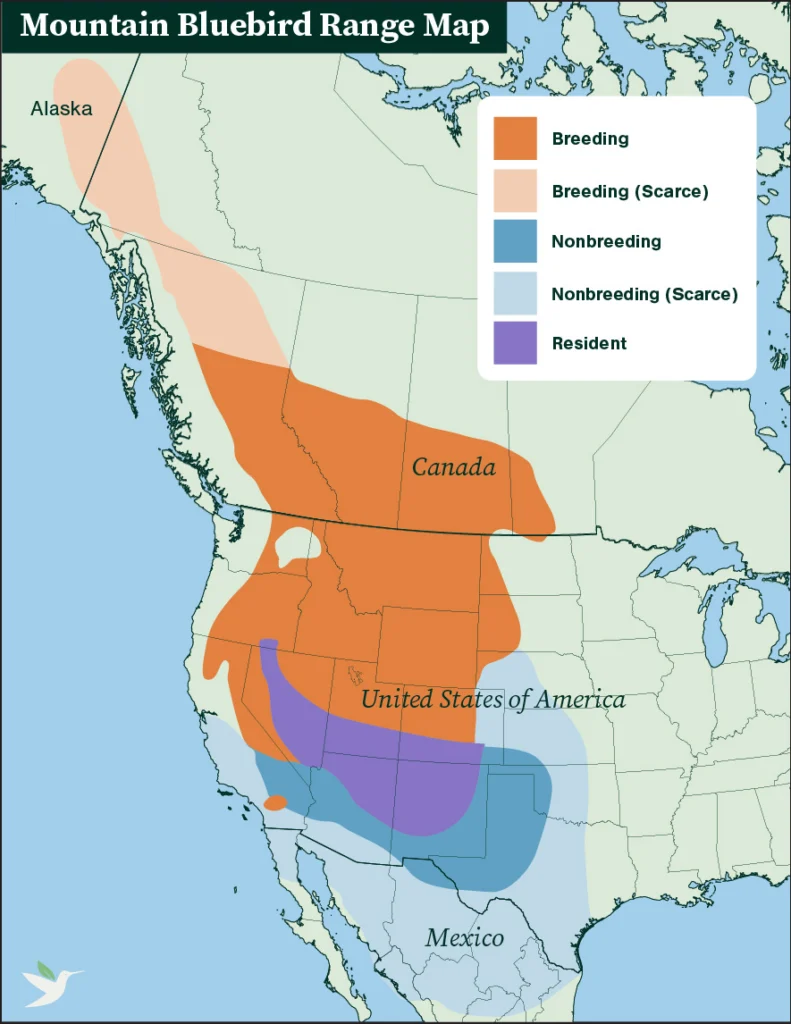
Year round, the Mountain Bluebird favors open areas with scattered trees, such as alpine meadows and burned forests with standing dead trees. Mountain Bluebirds breed in high, open country, but move to lower elevations during the nonbreeding season.
Specific Area
Western North America
Range Detail
The Mountain Bluebird breeds in montane meadows and parkland as far north as Alaska, and south through Western Canada and the United States into Arizona and New Mexico. After the breeding season, birds will move further into Arizona and New Mexico as well as Texas, and sometimes into coastal California, northern Mexico, and eastward into the southern Midwest states.
Did you know?
Mountain Bluebirds are some of the earliest migrants to show up on their breeding grounds, with males showing up in late winter to claim territories in high elevations and high latitudes. Males will even move into the mountains mid-winter when weather permits. Though this behavior can have deadly consequences, researchers believe arriving early may be the best way for males to secure a territory with a nesting cavity, which are in high demand not only among bluebirds, but also many other secondary cavity nesters that share their breeding habitat.
Mountain Bluebirds primarily hunt ground-dwelling invertebrates, especially beetles and grasshoppers, which they capture from above by dropping from a perch or hovering a few feet above the ground. They will also eat small fruits and seeds, especially during the nonbreeding season. Certain populations may be quite reliant on winter fruits such as juniper (Juniperus) berries.
Courtship in this species is fairly simple and revolves around a nest cavity identified and defended by a territorial male. When a female enters his territory, he will sing and fly back and forth between the female and the nest cavity. After pairing, males follow their mates the majority of daylight hours, and she will often wait for him to be near before she will leave the nest cavity.
Though the male Mountain Bluebird initially attracts a female, it is she who ultimately decides whether to accept or reject a particular cavity. Within the nest cavity, she fills the entire base with coarse grass. She then forms an open cup on top of this layer of grass, which she lines with finer materials such as rootlets, hair, or feathers.
Females lay between four and seven eggs. Eggs are light blue, but also reflect ultraviolet light, which birds can see but humans cannot. Interestingly, egg color changes as the embryos develop, changing from bluer and more ultraviolet to a greener shade with less ultraviolet light reflected; they also become brighter. Since it is the developing embryos that cause this change, infertile eggs do not change color. Females alone incubate while males bring them food, and eggs hatch after two weeks. Nestlings remain in the nest for a further two and a half to three weeks, and are fed before and after fledging by both parents.
Related News & Stories

Join the flock! Your donation helps preserve the habitats that birds need to survive.